A century ago we could buy a cheap, battery-powered car for short hauls. There was no government subsidy, and it was economical to operate.
From Eric Peters at ericpetersautos.com:

Battery powered devices could be simpler (and cheaper) than vehicles with engines; the fact that they’re neither is precisely why they don’t “work” – and so rely on being pushed by the government. It being always necessary to push that which does not work.

About 100 years ago, there were battery powered vehicles that did work, mainly because they were not pushed by the government and because they were not devices. The distinction is important.
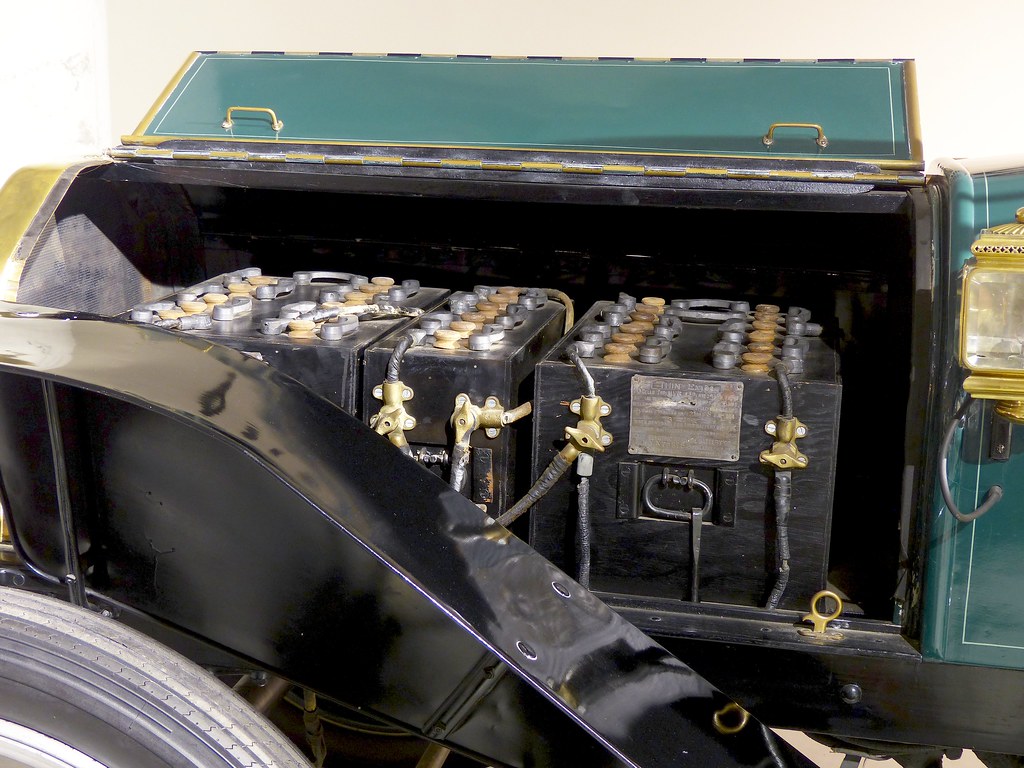
A battery powered vehicle such as the Baker Electrics of 100 years ago were devoid of electronics. They had deep cycle lead acid batteries connected in series and these were in turn connected to the simple electric motor that turned the drive wheels. There was a switch that turned the electricity on and off. But no electronics controlling anything because it wasn’t necessary.
Today’s devices are laden with complicated electronics that negate the inherent simplicity of the electric drivetrain. These include the electronics that control the thermal management system that is necessary to keep relatively fragile (vs. lead acid) lithium battery packs (which have a lattice of individual cells within the pack) from being damaged by extremes of temperature and also to allow for relatively safe high-voltage “fast” charging – without which it is necessary to plan around home charging, which takes many hours if not overnight. High-voltage “fast” charging has been pushed because it is seen as necessary by those pushing today’s devices, which they market as being as practical for everyday use – including long distance driving – as a vehicle powered by an engine.
Continue reading
A battery powered vehicle such as the Baker Electrics of 100 years ago were devoid of electronics. They had deep cycle lead acid batteries connected in series and these were in turn connected to the simple electric motor that turned the drive wheels. There was a switch that turned the electricity on and off. But no electronics controlling anything because it wasn’t necessary.
Today’s devices are laden with complicated electronics that negate the inherent simplicity of the electric drivetrain. These include the electronics that control the thermal management system that is necessary to keep relatively fragile (vs. lead acid) lithium battery packs (which have a lattice of individual cells within the pack) from being damaged by extremes of temperature and also to allow for relatively safe high-voltage “fast” charging – without which it is necessary to plan around home charging, which takes many hours if not overnight. High-voltage “fast” charging has been pushed because it is seen as necessary by those pushing today’s devices, which they market as being as practical for everyday use – including long distance driving – as a vehicle powered by an engine.
Continue reading

1 comment:
$1600 dollars for a Baker Stanhope in 1906-08 was not exactly cheap. It was about the price of a new house.
Post a Comment